
Editorial draft for Cruiser Electric review. Technical statements should receive final field review before production publication.
Quick answer: Your electrical panel may need professional evaluation if breakers trip repeatedly, the equipment shows heat or physical damage, new equipment is increasing the home's electrical demand, or the panel no longer provides enough safe capacity for planned work. Those signs do not automatically mean the panel must be replaced. A licensed electrician should inspect the equipment, circuits and expected loads before recommending repair, expansion or replacement.
For homeowners in Ankeny and across the Des Moines metro, an electrical panel is easy to overlook until a breaker begins tripping or a remodel adds new demands. The panel is the distribution point for the home's electrical system. Its breakers are designed to interrupt current when a circuit is overloaded or a fault occurs, helping reduce the risk of overheating and fire. The U.S. Consumer Product Safety Commission's home wiring guide explains the protective role of breakers and fuses.
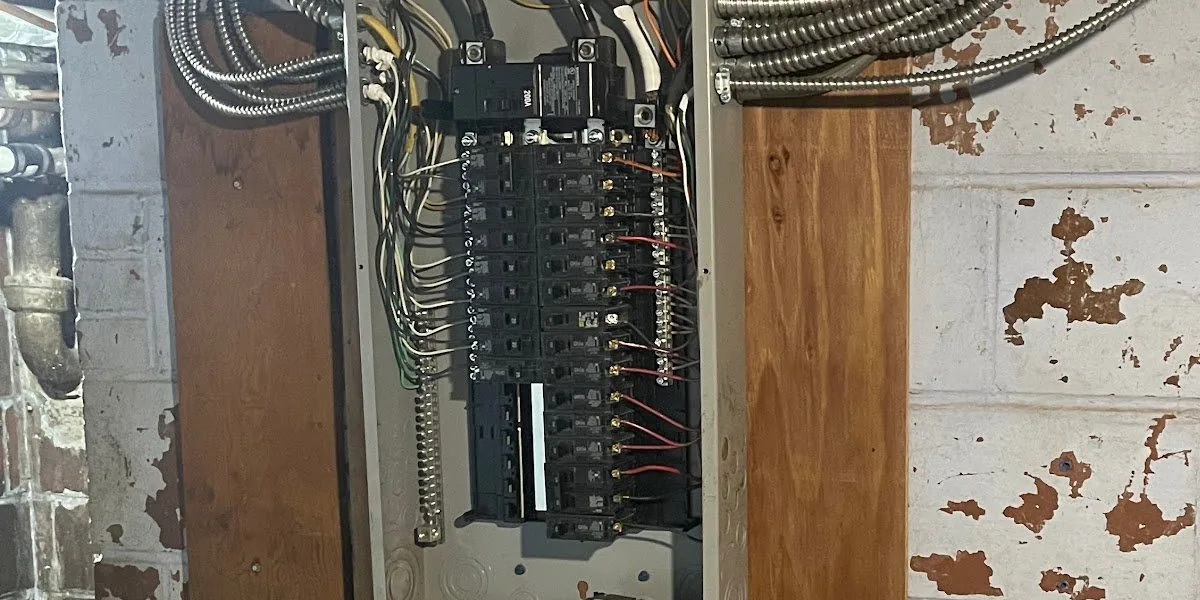
If you are concerned about your panel or planning a project, Cruiser Electric provides professional residential panel upgrade services throughout Central Iowa.
Signs Your Electrical Panel Should Be Evaluated
The following conditions are reasons to schedule an electrical evaluation. They are not a substitute for an on-site diagnosis.
Breakers trip repeatedly
A breaker that trips is doing its job by interrupting a circuit. A breaker that trips repeatedly may indicate an overloaded circuit, a problem with connected equipment or another condition that requires troubleshooting. Continually resetting it without finding the cause does not solve the underlying issue.
If the problem is limited to a particular circuit, Cruiser Electric may recommend targeted residential electrical service work rather than replacing the entire panel.
You notice heat, a burning odor, buzzing or visible damage
Unusual heat, discoloration, crackling, buzzing, corrosion or a burning odor near electrical equipment deserves prompt professional attention. Do not remove the panel cover or attempt internal repairs yourself. The CPSC advises consumers to use a qualified electrician when electrical trouble signs appear and warns against untrained inspection or repair in its home-wiring safety guidance.
If you see smoke, active arcing or fire, leave the area and call 911. For non-emergency concerns, stop using the affected equipment when it is safe to do so and contact a licensed electrician.
The panel is damaged, corroded or difficult to identify
Moisture, rust, damaged components, missing labels or evidence of past makeshift work can make an electrical system harder to operate and maintain safely. Age alone does not determine whether a panel needs replacement, but equipment condition and installation quality matter.
You are running out of breaker spaces
An electrical project cannot be planned safely by squeezing in another breaker wherever it appears to fit. An electrician needs to review the panel's rating, the home's calculated electrical load, the equipment involved and the applicable installation requirements.
New Electrical Loads Can Change the Equation
Even a panel that has served a home reliably may need another look when the way the property uses electricity changes. Common projects that can increase demand include:
- Electric vehicle charging
- Hot tubs and swimming-pool equipment
- Kitchen or basement remodeling
- Home additions
- Electric heating or water-heating equipment
- Workshops, large tools or other high-demand equipment
- Backup-power transfer equipment
Planning early helps an electrician coordinate the panel, circuits, protection and equipment requirements before finishes are installed. Cruiser Electric can review electrical needs for remodel wiring, hot tubs and swimming pools, and backup generator systems.
Does an Older Panel Automatically Need Replacement?
No. The age of an electrical panel is one factor, but it is not a diagnosis. A licensed electrician should also consider the equipment's condition, rating, available capacity, installation, circuit protection, visible alterations and the home's current and planned electrical loads.
A credible recommendation should explain what was observed, why it matters and which options are reasonable. Sometimes a repair or circuit correction is appropriate. In other cases, replacement may provide the capacity, reliability or configuration a project requires.
What Happens During a Professional Panel Evaluation?
A useful evaluation begins with the property and the homeowner's goals. Depending on the scope, an electrician may:
- Review the panel's manufacturer information and ratings.
- Look for visible damage, corrosion, overheating or improper modifications.
- Review breaker condition and circuit identification.
- Discuss recurring trips or other electrical symptoms.
- Consider the home's existing and proposed electrical loads.
- Identify permit or inspection considerations for the proposed work.
- Explain whether repair, added capacity, a subpanel or replacement is recommended.
Homeowners should not remove a panel cover to perform their own inspection. The CPSC Home Electrical Safety Checklist can help homeowners recognize concerns, but work inside a panel belongs with a qualified professional.
Repair, Add Capacity or Replace the Panel?
A repair may be appropriate when
The concern is isolated, compatible replacement parts are available, the equipment is otherwise serviceable and the repair addresses the actual cause.
Added capacity or a subpanel may be appropriate when
The existing service and panel are suitable, but the project needs additional circuit spaces or a better distribution arrangement. Load calculations and project requirements still determine whether this option works.
Panel or service replacement may be appropriate when
The existing equipment is damaged, unsuitable for the planned load, lacks a practical path for the required work or has other conditions that make replacement the responsible recommendation.
Permits, Inspections and Licensed Electrical Work in Iowa
Electrical licensing and inspection requirements help protect property owners and the public. The Iowa Department of Inspections, Appeals, and Licensing provides information about electrical licensing and inspections in Iowa, as well as a public path to search professional licenses and permit records.
Permit and inspection requirements can vary by jurisdiction and project. The electrician should confirm which requirements apply at the property's address and include that process in the project plan.
Electrical Panel Upgrades Across Central Iowa
Cruiser Electric is based in Ankeny and serves homeowners across the Des Moines metro and surrounding Central Iowa communities. Local work can involve older homes with evolving electrical systems, newer homes adding high-demand equipment and remodels that need circuits coordinated with the construction schedule.
Explore electrical service information for Ankeny, Des Moines, West Des Moines or view the complete list of areas Cruiser Electric serves.
Need project-specific guidance? Request a free estimate or call 515-202-1524.